While spring and summer are often when people think most about smooth, hair-free skin, fall is actually the optimal season to begin your laser hair removal journey. Laser hair removal requires multiple sessions spaced several weeks apart, as well as strict sun avoidance to achieve maximum safety and efficiency. Autumn provides shorter daylight hours, cooler temperatures, and reduced outdoor exposure, making skin protection significantly easier. Starting treatment during the fall allows you to complete a full regimen comfortably through the winter months. By the time warm weather returns, your skin will be silky smooth and fully prepared for poolside activities without the constant hassle of daily shaving, wax appointments, or skin irritation.
Key Takeaways
- Ideal Timeline Alignment: Laser treatments require multiple sessions over 6 to 9 months; starting in fall ensures complete results before summer arrives.
- Minimized UV Exposure: Shorter autumn days and cooler weather naturally reduce sun exposure, lowering the risk of laser-induced hyperpigmentation.
- Fewer Complications: Treating un-tanned skin dramatically increases laser targeting precision while significantly reducing treatment discomfort.
- Cost & Time Efficiency: Winter months allow skin to heal protected under longer clothing layers, maximizing your long-term aesthetic investment.
- Long-Lasting Results: Early fall initiation delivers continuous hair-free confidence without last-minute summer shaving panics.
Why Autumn is the Golden Window for Laser Hair Removal
When autumn arrives, most people naturally transition their skincare routines toward rich moisturizers and cozy attire. However, seasoned aesthetic experts know that autumn is also the strategic seasonal window for long-term body hair reduction. If your goal is to showcase hair-free, glowing skin during the upcoming summer season, waiting until spring is one of the most common cosmetic timing errors.
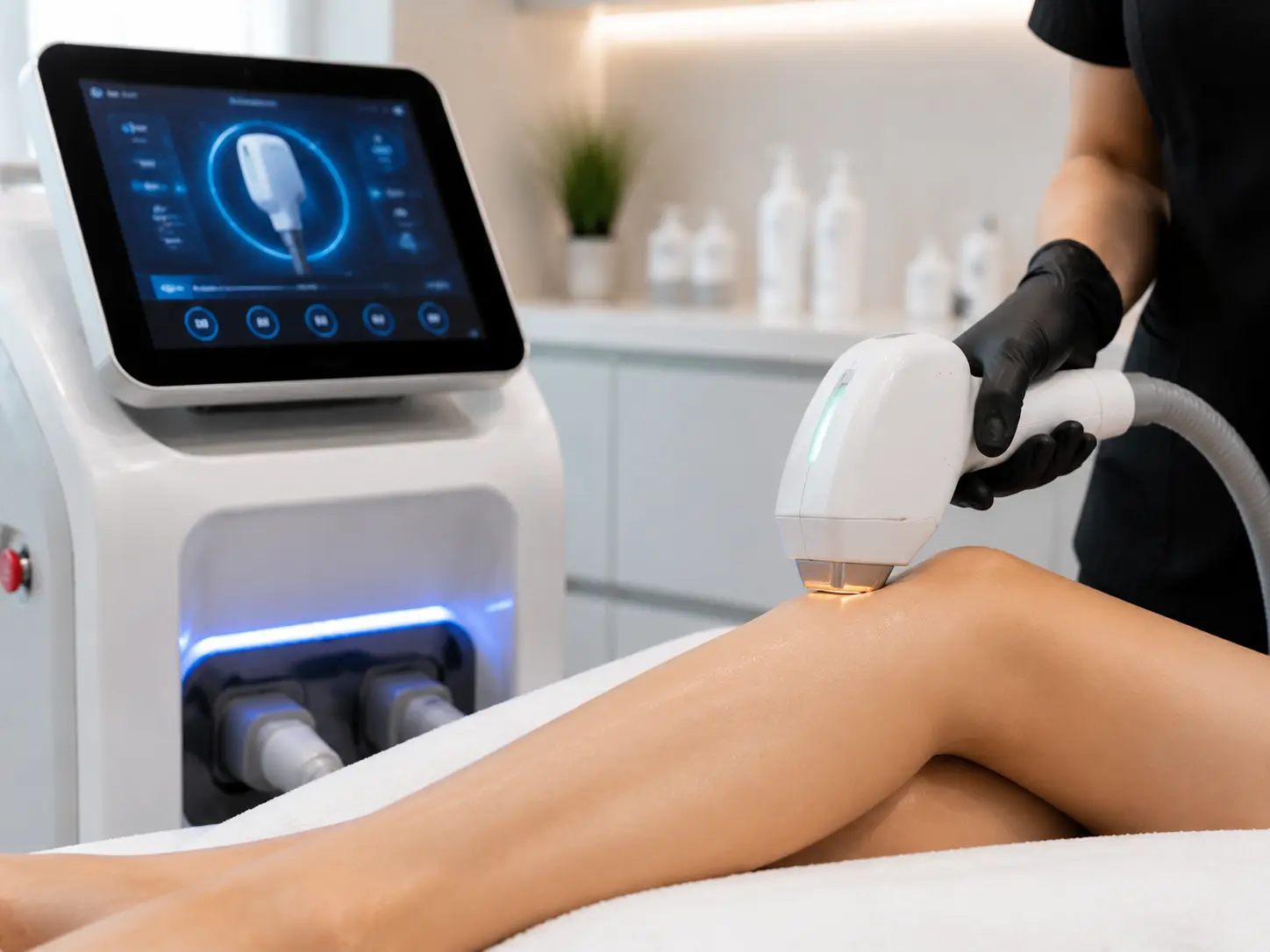
Laser hair removal relies on selective photothermolysis. This process emits concentrated light pulses directly into hair follicles, where natural pigment absorbs the light energy and converts it to heat. This heat destroys the follicle’s growth center without harming the surrounding tissue. Because human hair grows in distinct phases, achieving smooth results requires a series of treatments over several months. Autumn provides the precise environmental balance required to safely navigate this timeline.
To understand why this timing is so crucial, explore our advanced clinical treatments on the officialArizona Medical Laser website, where personalized aesthetic care meets state-of-the-art medical technology.
1. Reduced Sun Exposure Protects Your Skin and Enhances Results
The primary golden rule of laser hair removal is strict avoidance of active sun exposure both before and after each clinical session. When skin is exposed to ultraviolet radiation, melanin production increases as a natural defense mechanism, resulting in a tan. Because traditional laser devices target pigment, elevated skin melanin creates competing targets for the laser energy.
The Science of Melanin Contrast
For optimal safety and efficacy, lasers perform best when there is a strong contrast between the dark melanin in the hair shaft and the surrounding skin tissue. When skin carries an active tan, the outer epidermal layers absorb excess light energy. This shift increases the likelihood of side effects such as temporary blistering, crusting, or post-inflammatory hyperpigmentation. According to clinical consensus from theAmerican Academy of Dermatology, minimizing sun exposure remains the single most critical factor in mitigating adverse laser complications.
Shorter Autumn Days Offer Natural Protection
In autumn, natural sunlight intensity drops, UV indices decrease, and daily habits shift indoors. You are far less likely to spend hours exposed on a beach or at outdoor gatherings. By launching your hair removal journey when UV rays are naturally diminishing, your skin remains closer to its natural baseline shade. This allows certified laser technicians to safely utilize optimal energy settings for faster, more effective follicle destruction.
2. Your Wardrobe Naturally Protects Treated Areas
After a laser hair removal session, your skin undergoes mild thermal changes. The treated areas often exhibit mild redness or slight swelling around hair follicles, commonly referred to as follicular edema. During this recovery window, keeping treated skin covered and protected from environmental factors is essential.
Autumn and winter fashion naturally supports this healing phase. Fall clothing choices, such as full-length denim, cozy sweaters, trousers, and long sleeves, act as a continuous physical barrier against incidental UV radiation.
- Legs & Bikini Lines: Easily concealed beneath jeans, leggings, and tights without needing extra effort to stay in the shade.
- Underarms & Arms: Protected by sweaters and light jackets during peak daylight hours.
- Face & Neck: Easily shaded using fall hats or scarves during brief outdoor commutes.
Additionally, recovering skin needs to avoid intense heat exposure, excessive sweat, and tight friction for at least 24 to 48 hours post-treatment. Cool fall temperatures make recovery substantially more comfortable than struggling through sweaty high-summer humidity.
3. Perfect Alignment with the Hair Growth Cycle
A common misconception is that laser hair removal provides complete results in just one or two visits. In reality, hair follicles pass through three distinct phases:
- Anagen Phase (Active Growth): The hair shaft is firmly attached to the root. Lasers are only effective during this active growth stage.
- Catagen Phase (Regression): Growth stops, and the follicle shrinks away from the dermal blood supply.
- Telogen Phase (Resting/Shedding): The old hair sheds while the follicle remains dormant before restarting the cycle.
Because only a portion of your body hair resides in the active Anagen phase at any given moment, treatments must be spaced roughly 4 to 8 weeks apart depending on the body area. A complete course typically requires 6 to 8 sessions to systematically address all follicles as they rotate into the active Anagen phase. The mathematics of this process highlight why starting in fall is so strategic:
| Month | Treatment Stage | Expected Result |
| October / November | Session 1 & 2 Initial setup | Initial follicle reduction; hair grows back finer |
| December / January | Session 3 & 4 Mid-course adjustments | Noticeable reduction in patchiness and thickness |
| February / March | Session 5 & 6 Target stubborn growth | Up to 70–80% overall reduction across treated zones |
| April / May | Session 7 & 8 Final touch-ups | Complete, lasting smoothness ready for summer |
Starting your first session in October or November provides the exact window needed to conclude your full regimen right as warm weather returns.
4. Eliminate Ingrowing Hairs and Shaving Irritation Before Swimwear Season
Constant shaving, waxing, and hair removal creams frequently lead to razor burn, painful ingrown hairs, and folliculitis. These issues are especially common in high-friction areas like the bikini line, legs, and underarms.
When you shave, hair tips are cut at an angle, creating sharp points that easily curl back into the skin surface. Waxing physically tears hair from the root, which can cause micro-tears and localized inflammation. Conversely, laser therapy solves this problem at the root. By disabling the hair follicle entirely, the body naturally expels the remaining hair shaft over two weeks, preventing new hair from forming beneath the surface.
To explore clinical research on how light energy safely treats skin structures, consult the extensive resource database maintained by theNational Institutes of Health.
Starting your treatment plan during fall ensures that any lingering redness, dark spots, or hyperpigmentation caused by prior razor burn have ample time to clear up over the winter. By summer, your skin will not only be hair-free, but also completely clear of bumps and irritation.
5. Maximum Comfort and Cost Efficiency
Undergoing laser treatments during cool weather is simply a more comfortable experience overall. Modern medical lasers feature built-in cooling mechanisms, such as chilled sapphire tips or cryogen sprays, to protect the outer skin. However, recovering in hot summer temperatures can increase post-procedure skin warmth. In contrast, crisp autumn air provides natural comfort after your session.
Strategic Financial Planning
Cosmetic self-care is a real investment in your long-term daily confidence. Spacing treatments every 6 to 8 weeks splits your financial investment smoothly across the fall, winter, and spring seasons, rather than compressing costs into a tight pre-summer rush.
Furthermore, long-term laser hair removal delivers substantial cost savings over time. Consider the cumulative expense of high-end multi-blade razors, specialized shaving creams, soothing lotions, and bi-weekly professional waxing appointments. Over several years, these recurring costs far exceed a single, permanent laser treatment package.
Ready to Get Started?
We’re here to help. Schedule a consultation today to discuss treatment options.
Frequently Asked Questions
Does laser hair removal hurt more in the fall or winter?
No. Many clients actually find autumn sessions more comfortable, because their skin is cooler and isn't holding on to summer heat. The sensation is usually described as a mild rubber-band snap followed by a gentle cooling feeling.
Can I use self-tanner between my autumn sessions?
No. Avoid both sun tanning and spray or lotion self-tanners for the whole course of treatment. Self-tanners add pigment to the upper layers of the skin, which can absorb laser energy and raise the risk of irritation or uneven results.
How long should I wait between laser sessions?
Usually 4 to 8 weeks, depending on the area. Facial hair grows quickly, so the face is treated every 4 to 6 weeks, while larger body areas such as the legs or back are spaced 6 to 8 weeks apart to match their slower growth cycle.
When should I start laser to be ready for summer?
October or November is ideal. A full course runs over roughly 6 to 9 months, so starting in autumn lets you finish your sessions just as the warm weather returns, instead of rushing to fit treatments in before swimsuit season.
Why do winter clothes help after a laser session?
Jeans, long sleeves and sweaters act as a physical barrier against incidental sun while treated skin recovers. Cooler weather also makes it easier to avoid the heat, sweat and friction that treated skin should be kept away from for 24 to 48 hours.