Quick Answer
When is the best time to get a chemical peel?
The best time is when you can protect your skin from the sun afterward and allow time to recover before big events. Many people choose cooler, lower-sun months, but you can do a peel year-round with strict sun protection. Timing also depends on peel depth, your skin, and your routine, so your provider can build a schedule around your goals.
If you have been waiting for the perfect month to book a chemical peel, here is some good news: there is no single perfect month. However, there is a smart way to choose your timing, and in Arizona, it starts with the sun.
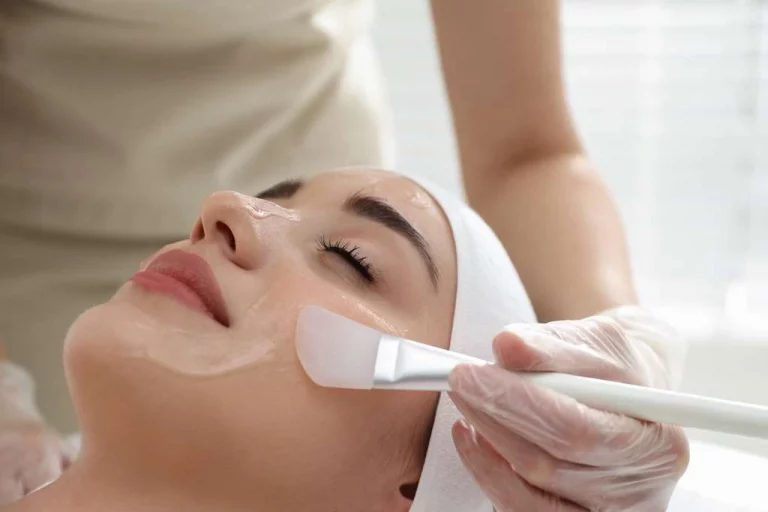
Peels work by exfoliating damaged outer layers to reveal fresher skin. That fresh skin is more sensitive, so the best window is one where you can protect it, give it time to heal and still look your best for whatever is on your calendar. Arizona MedLaser offer chemical peel treatments in different depths, which is part of why timing is so personal.
Why the Sun Sets the Schedule
Our instructions ask you to avoid sun exposure for one to two weeks before a peel and again for one to two weeks afterward, and to wear broad-spectrum sunscreen of SPF 30 or higher every day. That lines up with the American Academy of Dermatology’s advice on how to select a sunscreen: look for broad-spectrum, SPF 30 or higher, and water resistance, and reapply as directed.

In a state with this much sunshine, the question is less about the month and more about your plans. If you are treating sun damage, our sun damage concern page is a good place to see how services fit together, and a consultation can place a peel in the right order with the rest of your plan.
Cooler Months vs. Summer in Arizona
Many people choose fall, winter, and early spring for peels, when UV is generally lower and outdoor schedules slow down, making sun avoidance easier. That does not take summer off the table. With indoor-focused routines, shade, hats, and strict sunscreen use, a lighter peel can work year-round. UV still deserves respect in the cooler months, and summer heat and sweating can irritate healing skin.
So the real question is not which month to pick, but whether you can protect this skin for the next two weeks.
Counting Backward From an Event
Peel depth determines how long you need to heal. The AAD’s chemical peels overview describes three main types, and healing times vary with each.
| Peel type | Typical healing time (AAD) | Planning tip |
| Refreshing or light peel | About 1 to 7 days, with redness and scaling lasting roughly 3 to 7 days | Schedule early enough that peeling has finished before your event |
| Medium peel | About 7 to 14 days, with redness and swelling | Allow several weeks and plan around work and social commitments |
| Deep peel | About 14 to 21 days | Plan well ahead with your provider, since recovery is a bigger commitment |
Your own healing may be faster or slower, so many people give themselves at least a couple of weeks before an important event, and longer for deeper peels. Your provider can tailor that window to the peel you choose.
How Your Skin and Routine Change the Timing
- Irritation, sunburn or active breakouts: wait until skin calms down.
- Retinoids, vitamin C and exfoliating acids: our instructions ask you to pause them for about five to seven days before a peel.
- Hair removal: avoid waxing, threading and depilatory creams for at least a week beforehand.
- Pregnancy, nursing or skin conditions: tell your provider, who can advise whether a peel is appropriate.
- Skin tone: people with skin of color can safely get peels, but the AAD recommends choosing a provider experienced with darker skin tones, since pigment issues can occur.
One Peel or a Series?
Some concerns improve with a single peel, while others respond better to a series of lighter peels spaced weeks apart. Peel results aren’t permanent because skin continues to age, and they can last from a few months to a year depending on depth and the concern being treated. That makes it worth thinking about timing as a rhythm, not just a one-time date. Extra note: Many clients find that combining peels with a consistent skincare routine — gentle cleansing, hydration, and sun protection — helps extend results and keeps skin looking refreshed between sessions.
A Simple Planning Checklist
- Pick your target date, such as an event, trip or season.
- Count back to allow for healing, plus a buffer.
- Check your calendar for pool days, outdoor events or travel in the two weeks before and after.
- Tell your provider about medications, products and recent treatments.
- Stock a gentle cleanser, a fragrance-free moisturizer and an SPF 30 or higher sunscreen.
- Pause active products and hair removal when instructed.
- Book any follow-up peel in the same visit if your plan calls for a series.
Extra note: It’s also smart to plan downtime for your skin — avoid scheduling other cosmetic treatments too close to your peel so your skin has time to recover fully.
Ready to Plan Your Peel?
If you have a date in mind, or just a goal for your skin, a consultation will help you choose the right peel and the right timing. Arizona MedLaser welcomes clients at our Scottsdale, Glendale and Chandler locations.
Don’t wait until the last minute — book your consultation today and take the first step toward smoother, brighter skin. Your perfect peel plan starts here.
Chemical Peel Timing Questions, Answered
Can I get a chemical peel in summer in Arizona?
Often, yes, especially with lighter peels, as long as you can stay out of strong sun, wear sunscreen daily and avoid heat that irritates healing skin. Your provider can advise on your situation.
How long before a wedding or event should I get a peel?
Many people allow at least a couple of weeks, and longer for medium or deep peels, so peeling is finished and results have settled. Your provider can help you pick the right date.
Can I get a peel if I have a tan?
A fresh tan or sunburn is usually a reason to postpone, because tanned or irritated skin is more sensitive and more likely to react.
When can I wear makeup after a peel?
We recommend avoiding makeup for at least 24 to 48 hours so skin can start healing.
How often can I have chemical peels?
It depends on peel depth and your skin. Lighter peels may be repeated at intervals your provider recommends, while deeper peels are done less often.
Ready to Get Started?
We’re here to help. Schedule a consultation today to discuss treatment options.