Botox remains one of the world’s most widely researched and performed aesthetic treatments, yet persistent misconceptions continue to cloud public understanding. Many individuals hesitate to try neurotoxin therapy due to outdated fears of looking frozen, concerns regarding treatment safety, or misunderstandings about how the procedure works. In reality, when administered by certified cosmetic specialists, Botox offers a safe, highly targeted, and subtle way to smooth dynamic wrinkles and prevent deep facial creasing. Busting these common myths empowers patients to make confident, well-informed decisions regarding their personal anti-aging journey.
Key Takeaways
- Natural Expressions Preserved: Professional micro-dosing selectively relaxes targeted wrinkle-causing muscles while maintaining full facial movement and emotion.
- Proven Safety Record: FDA-approved for decades, cosmetic Botox uses microscopic, strictly controlled doses that metabolic processes naturally clear over time.
- Preventative Advantages: Starting treatments in your late 20s or 30s stops deep-set dynamic lines from etching permanently into the skin structure.
- Minimal Discomfort: Injections utilize ultra-fine needles, requiring no downtime and allowing an immediate return to daily activities.
- Versatile Benefits: Beyond cosmetic smoothing, neurotoxins effectively treat medical concerns like hyperhidrosis (excessive sweating), masseter tension, and chronic teeth grinding.
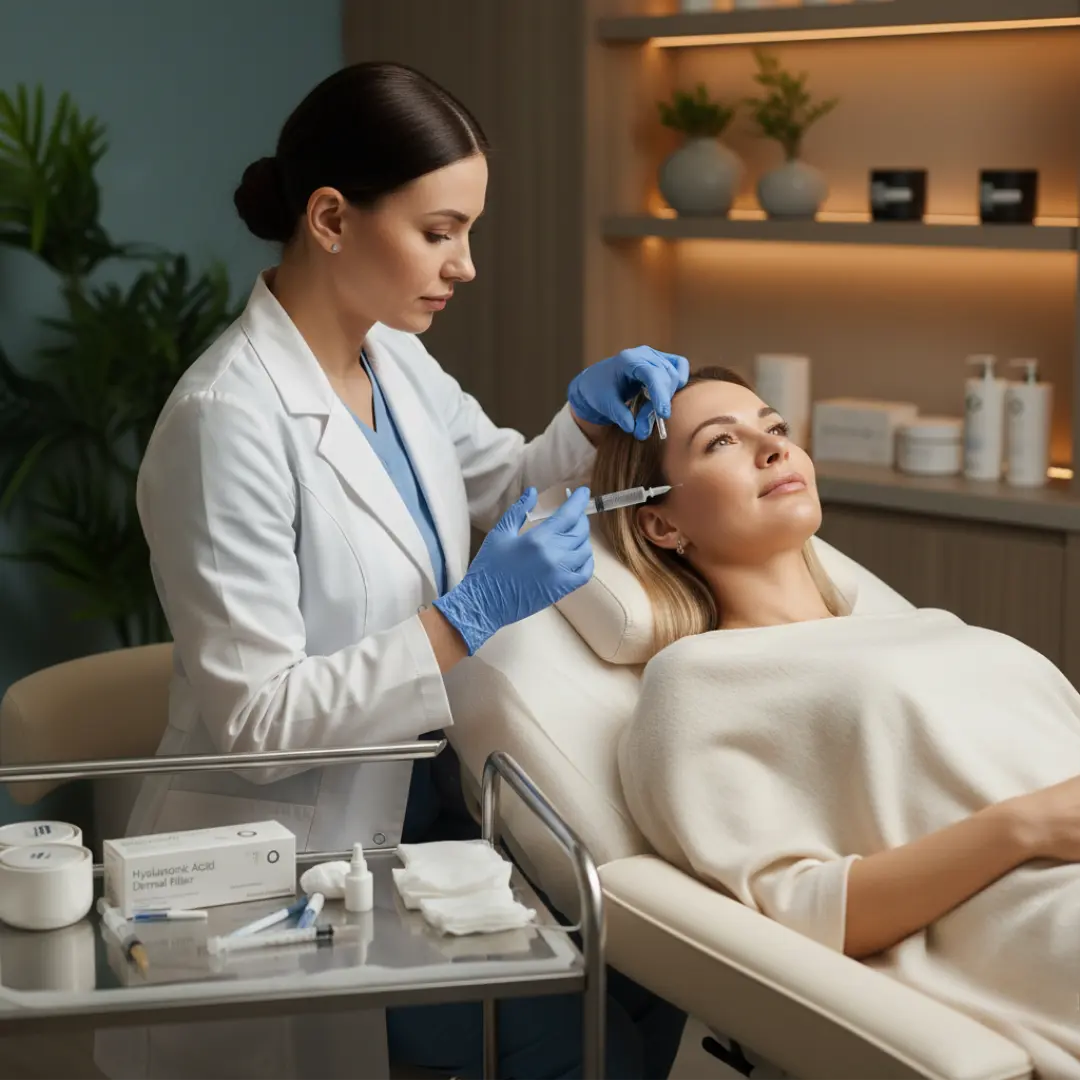
Separating Fact from Fiction in Aesthetic Medicine
In an age dominated by social media filters and conflicting advice, finding clear, scientifically backed information about injectable treatments can feel overwhelming. Botox (onabotulinumtoxinA) has been utilized in clinical settings for decades, yet it remains subject to significant exaggeration and misunderstanding.
At its core, Botox is a purified neuromodulator designed to temporarily intercept the chemical signals that trigger localized muscle contractions. By temporarily relaxing specific overactive facial muscles, the skin above them remains smooth rather than constantly folding. Understanding the real physiological mechanism behind this process is the first step toward dispelling unnecessary worries.
To discover how customized neuromodulator treatments can safely refresh your appearance, explore our comprehensive aesthetic solutions on the officialArizona Medical Laser website.
Myth 1: “Botox Will Leave Your Face Expressionless and Frozen”
Perhaps the most widespread misconception is that receiving Botox removes your ability to smile, frown, or convey emotion. The exaggerated, motionless look often associated with aesthetic procedures is almost always the result of improper technique, excessive dosing, or poor injector training.
The Role of Precision Injecting
Modern aesthetic medicine emphasizes subtlety, facial balance, and anatomical harmony. Qualified injectors target only the specific micro-muscles responsible for dynamic creasing, such as the corrugator muscles between the brows or the orbicularis oculi around the eyes. Surrounding facial muscles remain untouched, preserving natural expressions. According to clinical guidance from theAmerican Society of Plastic Surgeons, proper anatomical placement ensures that patients look naturally rested rather than “done.”
Myth 2: “Botox Is Dangerous and Accumulates in the Body”
Because Botox is derived from a purified protein, some patients worry about toxicity or long-term accumulation within body tissues.
The Reality of Metabolic Processing
Cosmetic injections utilize minuscule, precisely controlled units that act locally at the neuromuscular junction. The body naturally metabolizes and clears the protein over time, which is why the treatment’s effects gradually wear off after 3 to 4 months. Decades of peer-reviewed clinical studies compiled by theNational Institutes of Health confirm that cosmetic neuromodulators carry an exceptionally high safety profile with zero evidence of systemic accumulation or chemical dependency.
Myth 3: “You Should Wait Until You Have Deep Wrinkles Before Starting”
Many individuals believe that Botox is exclusively reserved for older adults seeking to reverse deeply etched facial lines.
The Power of Preventative Botox
Wrinkles are categorized into two distinct types:
- Dynamic Wrinkles: Lines that appear only during active facial movements (e.g., squinting or frowning).
- Static Wrinkles: Permanent creases visible even when your face is completely relaxed.
Waiting until static wrinkles become deeply ingrained makes smoothing them far more challenging. Initiating preventative treatments in your late 20s or early 30s trains the facial muscles to contract less aggressively, stopping deep wrinkles from forming in the dermal layer in the first place.
Myth 4: “Botox and Dermal Fillers Are the Exact Same Thing”
The terms “Botox” and “Fillers” are frequently used interchangeably in casual conversation, leading to confusion about their actual functions.
| Feature | Botox (Neuromodulators) | Dermal Fillers (Hyaluronic Acid) |
| Primary Function | Relaxes overactive muscle movement | Restores lost volume and plumps structure |
| Best Used For | Forehead lines, crow’s feet, frown lines | Cheeks, lips, nasolabial folds, chin contouring |
| Mechanism | Temporarily blocks nerve signals to muscles | Physically fills hollow spaces under skin |
| Onset of Results | 3 to 14 days post-treatment | Immediate visual enhancement |
Understanding this distinction ensures you select the correct treatment modality for your specific aesthetic goals.
Myth 5: “Stopping Botox Will Make Your Wrinkles Look Worse”
A common fear among first-time patients is that if they decide not to maintain their injections, their skin will suddenly sag or age at an accelerated rate.
This is physically impossible. When you stop receiving injections, muscle activity slowly returns to its baseline state over several months. Your wrinkles will simply resume forming at the exact pace they would have naturally. In fact, because the treated muscles were relaxed for several months, your skin actually experiences a delayed aging effect during the treatment window.
For detailed regulatory guidance on cosmetic injectables, you can review consumer resources provided by theU.S. Food and Drug Administration.
Frequently Asked Questions (FAQs)
Is a Botox injection painful?
Most patients report minimal discomfort during the procedure. The needles used are ultra-fine (similar to those used for insulin delivery), and the sensation is frequently compared to a quick, mild pinch that lasts only a second.
How soon will I see my final results?
Botox does not work instantly. You will begin to notice initial smoothing within 3 to 5 days, with full clinical results settling in by day 14.
How long do Botox results typically last?
On average, results last between 3 and 4 months. Duration varies based on individual metabolism, muscle strength in the treated area, and the specific dosage administered.
Are there any downtime requirements after treatment?
There is virtually no downtime required. You can resume most normal daily activities immediately, though you should avoid strenuous exercise, direct heat, and rubbing the treated area for 24 hours.
Can Botox be used for non-cosmetic medical concerns?
Yes! Botox is FDA-approved for several medical applications, including reducing chronic migraine frequency, treating hyperhidrosis (excessive sweating), and easing masseter tension or jaw clenching pain.
Ready to refresh your look with natural, expert care? Schedule a personalized consultation with the certified medical team atArizona Medical Laser today to create your custom treatment plan!
Ready to Get Started?
We’re here to help. Schedule a consultation today to discuss treatment options.