Ready to Get Started?
We’re here to help. Schedule a consultation today to discuss treatment options.
Chemical peels offer exceptional skin rejuvenation by removing damaged outer layers, stimulating collagen synthesis, and revealing smoother, clearer skin underneath. However, achieving optimal clinical results relies heavily on your pre-peel skin preparation routine. Properly prepping your skin builds barrier resilience, ensures uniform acid penetration, speeds up post-peel healing, and minimizes the risk of post-inflammatory hyperpigmentation or irritation. By making simple adjustments to your skincare regimen two weeks before your appointment, you lay the groundwork for a safe, comfortable procedure and vibrant, glowing results.
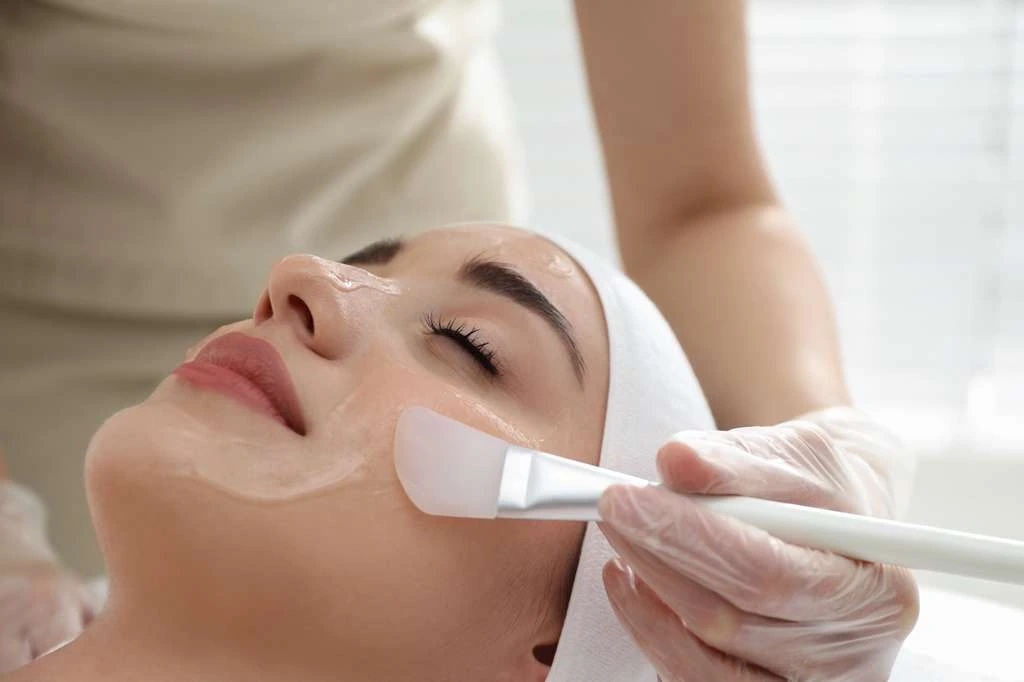
Chemical peeling involves the controlled application of specialized exfoliating agents, such as glycolic acid, lactic acid, salicylic acid, or trichloroacetic acid (TCA), to break down intercellular bonds and dissolve dull surface skin. Whether you are targeting sun damage, fine lines, active acne, or uneven pigmentation, the key to an effective outcome begins well before you step into the treatment room.
Proper pre-treatment care conditions the stratum corneum (the outermost skin layer). Conditioning helps the peel solution penetrate evenly across the entire face rather than pooling in dehydrated micro-fissures. Taking time to prepare your skin minimizes post-procedure downtime and accelerates the natural cell turnover process.
To discover our full range of medical-grade facial treatments, explore the officialArizona MedLaser website.
Preparing for a chemical peel should begin roughly 14 days before your scheduled appointment. During this initial window, the main goals are strengthening the skin barrier and curbing melanin overproduction.
Active UV exposure triggers melanin synthesis, increasing the risk of post-inflammatory hyperpigmentation (PIH) during recovery. Avoid direct sunbathing, tanning beds, and spray tans. Apply a broad-spectrum zinc oxide or titanium dioxide sunscreen with SPF 30 or higher every single morning. TheAmerican Academy of Dermatology highlights broad-spectrum sun protection as the most effective defense against post-procedure discoloration.
Well-hydrated skin heals faster and experiences less discomfort during resurfacing procedures. Incorporate barrier-supporting ingredients into your daily routine:
As your treatment date approaches, discontinue ingredients that thin the outer stratum corneum or increase skin sensitivity.
At least 5 to 7 days before your appointment, pause all over-the-counter and prescription topical products containing:
Pausing these ingredients prevents the peel solution from penetrating too deeply, which could otherwise cause unwanted blistering or prolonged raw skin.
In the final days before your session, avoid any treatments or habits that cause micro-tears, friction, or inflammation in the treatment area.
For further clinical standards regarding dermatological procedures and infection control, review public health resources provided by theNational Institutes of Health.
| Timeline | Recommended Action | Ingredients / Activities to Avoid |
| 14 Days Prior | Daily broad-spectrum SPF 30+; focus on hydration | Direct sun exposure, tanning beds, spray tans |
| 7 Days Prior | Use gentle cleansers and rich ceramide moisturizers | Retinoids, AHAs, BHAs, Vitamin C serums, scrubs |
| 3 Days Prior | Drink plenty of water; maintain simple skincare | Waxing, depilatory creams, facial bleaching |
| 24 Hours Prior | Cleanse gently; take antiviral medication if prescribed | Shaving the face, heavy makeup, strenuous workouts |
| Day of Peel | Arrive with clean skin; bring a wide-brimmed hat | Applied makeup, perfumes, active topical creams |
On the morning of your procedure, keep your skin routine light and simple:
Proper regulatory oversight of professional chemical peeling agents can be explored on the official website of theU.S. Food and Drug Administration.
We’re here to help. Schedule a consultation today to discuss treatment options.
Yes. Peels made with salicylic or lactic acid are well suited to active acne and congested pores. Your clinician chooses the acid formula that helps calm bacteria and inflammation safely for your skin.
Your appointment will need to be rescheduled. Applying peel acids to freshly tanned or sunburned skin significantly raises the risk of burning and scarring, so keeping out of the sun in the weeks before is part of the preparation.
It depends on the depth. Superficial peels usually settle in 1 to 3 days with minimal flaking, medium-depth peels heal in 7 to 10 days, and deep peels need 14 days or more of careful recovery.
No. Leave flaking skin alone rather than picking, peeling or pulling at it. Let the dead skin shed naturally, because removing it early can lead to scarring, dark marks or infection in the new skin underneath.
Yes. Chemical exfoliation can trigger a cold sore outbreak in people with a history of them, so let your provider know in advance. Your provider may prescribe an oral antiviral to take beforehand as a precaution.
Arrive with clean skin and no makeup, perfume or active creams, and pack sunglasses and a wide-brimmed hat to shield your newly treated skin on the drive home. On the morning itself, a gentle cleanser, a light moisturiser and sunscreen are all you need.
We're here to help. Schedule a consultation today to discuss treatment options and look your very best.
Book Now
Copyright © 2026 All Rights Reserved Financing | Privacy Policy | HIPAA | Terms of Service