Oct 4, 2026 · @levelplus
Quick Answer
How does non-surgical fat reduction work?
Non-surgical fat reduction uses cooling, ultrasound, heat or injections to damage fat cells in a specific area without surgery. The body then clears the affected cells gradually, so changes appear over weeks to months. These treatments contour stubborn pockets and are not a weight-loss method, and results depend on the area treated, your lifestyle and your starting point.
Few cosmetic goals are as common as wanting a stubborn pocket of fat to finally respond. Non-surgical fat reduction has grown popular because it offers a way to reshape a targeted area without incisions, anesthesia or a long recovery. But the science behind the different technologies is more varied than the marketing makes it sound.
This guide explains in plain language how each approach works, why changes appear gradually, and what these treatments can and cannot do.
Fat Reduction Is Not Weight Loss
Weight loss shrinks fat cells throughout the body. Non-surgical fat reduction targets a specific area and aims to damage or reduce the cells there. That is why it suits localized pockets that persist despite healthy habits, and why it is not a substitute for weight management or medical weight-loss care.
The American Society of Plastic Surgeons describes the category, which spans cryolipolysis, injections and energy-based options, on its nonsurgical fat reduction page. The FDA’s overview of non-invasive body contouring technologies notes that these devices are cleared for specific body areas and uses, which is why a provider needs to match the technology to your goal.
How the Main Technologies Target Fat
Controlled cooling (cryolipolysis)
Fat cells are more sensitive to cold than the skin around them. In cryolipolysis, an applicator draws in a section of tissue and cools it to a controlled temperature that damages fat cells without harming the skin. The FDA explains that the body then clears the damaged cells over the following weeks, usually within two to three months. Arizona MedLaser’s Cryo Fat Freezing treats areas such as the abdomen, flanks, thighs, arms, and back.
The FDA also advises against fat freezing for people with cold sensitivity disorders, including Raynaud’s disease, cold urticaria, and cryoglobulinemia, which is why a health screening comes before treatment.
Ultrasound cavitation
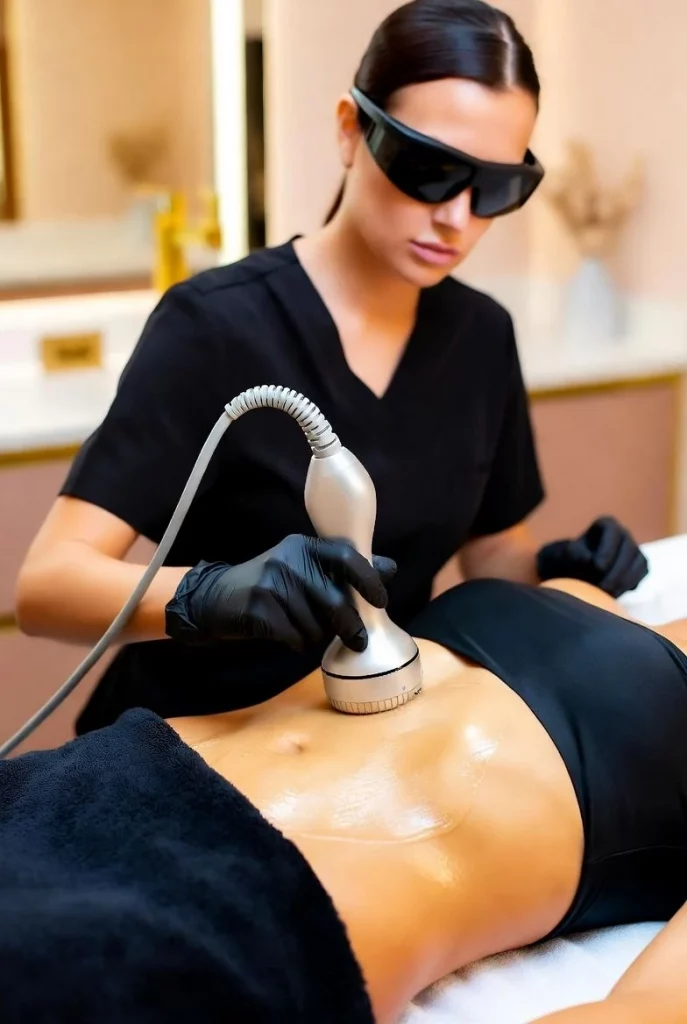
Ultrasound-based treatments use sound waves to disrupt fat cells. Arizona MedLaser’s LIPO Cavitation / Body Contouring uses a handheld low-frequency ultrasound device that, according to the clinic, breaks down fat cells so the body can eliminate them through the lymphatic system. Published evidence for ultrasound-based contouring is generally limited and varies by device, so set realistic expectations and get a thorough consultation.
Muscle-focused technology
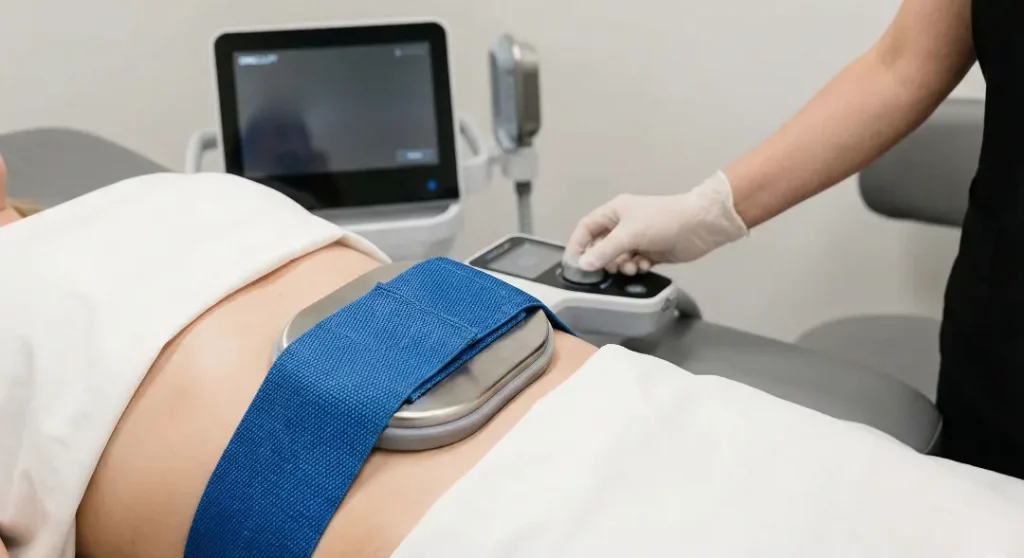
MuscleSculpt uses high-intensity focused electromagnetic (HIFEM) energy to trigger strong muscle contractions, paired with a radiofrequency component. It is designed to tone and define muscle, and the clinic notes it may also help reduce fat in the treated area. It is not a weight-loss treatment.
Injectable fat reduction
For fullness under the chin, Kybella injections use deoxycholic acid, a molecule the body naturally uses to break down dietary fat, to destroy fat cells in the treated area.
Why Results Appear Gradually
None of these treatments remove fat the moment you leave the clinic. The body has to process and clear damaged fat cells, which takes time. A review of cryolipolysis in aesthetic plastic surgery describes an inflammatory response in the treated fat layer that unfolds over several months. Arizona MedLaser notes that early changes after Cryo Fat Freezing may appear around three weeks, with improvement continuing over several months.
Temporary swelling, numbness or tenderness can hide early progress, so photos and measurements taken at consistent intervals give a more honest picture than a quick look in the mirror.
Who May Be a Reasonable Candidate
A consultation determines candidacy, but people who tend to be a good fit usually:
- Are at a stable, healthy weight with a localized area of stubborn fat
- Have realistic goals focused on contour rather than weight loss
- Are in good general health, without conditions that rule out a specific technology
- Understand that results are gradual and may take more than one session
Extra note: Good candidates also recognize that non-surgical contouring is about refinement, not dramatic change. Those who approach treatment with patience and realistic expectations often feel most satisfied with their outcomes.
Limits and Possible Side Effects
Temporary redness, swelling, bruising, tenderness, and numbness are common in the treated area and usually resolve over days to weeks. Results vary from person to person, and some people need more than one session or a combination of treatments. Fat reduction does not tighten loose skin or replace exercise, and the medical literature describes uncommon complications that your provider can explain before you decide.
Extra note: It’s important to discuss your medical history and lifestyle with your provider. This helps ensure the chosen technology is safe for you, minimizes risks, and maximizes the likelihood of achieving the desired contour.
Helping Results Hold
Remaining fat cells can still grow if you gain weight, so lifestyle matters after treatment. Our aftercare advice includes drinking plenty of water, light activity such as walking to support circulation, and avoiding heat and intense workouts for a day or two. Pairing treatment with balanced eating and regular movement gives results the best chance of lasting.
Extra note: Consistency is key — maintaining healthy habits not only preserves your results but also enhances overall wellness. Think of treatment as a boost to your efforts, not a substitute for long-term lifestyle choices.
Curious Which Option Fits Your Goals?
A consultation is the best way to find out. Our team will talk through your goals, explain how each body treatment works, and help you decide whether non-surgical contouring is a realistic fit. Arizona MedLaser welcomes clients at our Scottsdale, Glendale, and Chandler locations.
Extra note: During your visit, you’ll also have the chance to see before-and-after examples and learn how different technologies compare. This will help you feel confident choosing the treatment path that best aligns with your personal goals.
Non-Surgical Fat Reduction Questions, Answered
Is non-surgical fat reduction permanent?
Treated fat cells don’t simply regrow, but remaining fat cells can still enlarge with weight gain, and some methods may require maintenance sessions. Results are not guaranteed to be permanent.
How many sessions will I need?
It depends on the technology, the area, and your goals. Some people see their desired change after one cryo session, while ultrasound cavitation is generally recommended as a series. Your provider can estimate a plan.
Does it hurt?
Sensations vary. Cryo treatment can feel intensely cold, with pulling or tugging until the area numbs, while muscle-focused treatment feels like an intense workout. Tell your provider about anything that feels uncomfortable.
Can it help with weight loss?
No. These treatments contour specific areas and are not a weight-loss method.
Which areas can be treated?
Common areas include the abdomen, flanks, thighs, arms, back and under the chin, depending on the technology. Your provider will tell you which treatment suits which area.
Ready to Get Started?
We’re here to help. Schedule a consultation today to discuss treatment options.