Ready to Get Started?
We’re here to help. Schedule a consultation today to discuss treatment options.
PRX skin resurfacing (often known as PRX-T33 biorevitalization) represents a major evolution in non-invasive aesthetic medicine. Unlike traditional chemical peels that remove the outer epidermal layer, PRX penetrates deeply into the dermis to stimulate natural collagen, elastin, and cellular turnover without causing visible peeling, photosensitivity, or extended downtime. By combining 33% trichloroacetic acid (TCA) with low-dose hydrogen peroxide and kojic acid, this treatment safely targets fine lines, loss of firmness, uneven tone, enlarged pores, and acne scarring across all skin types year-round.
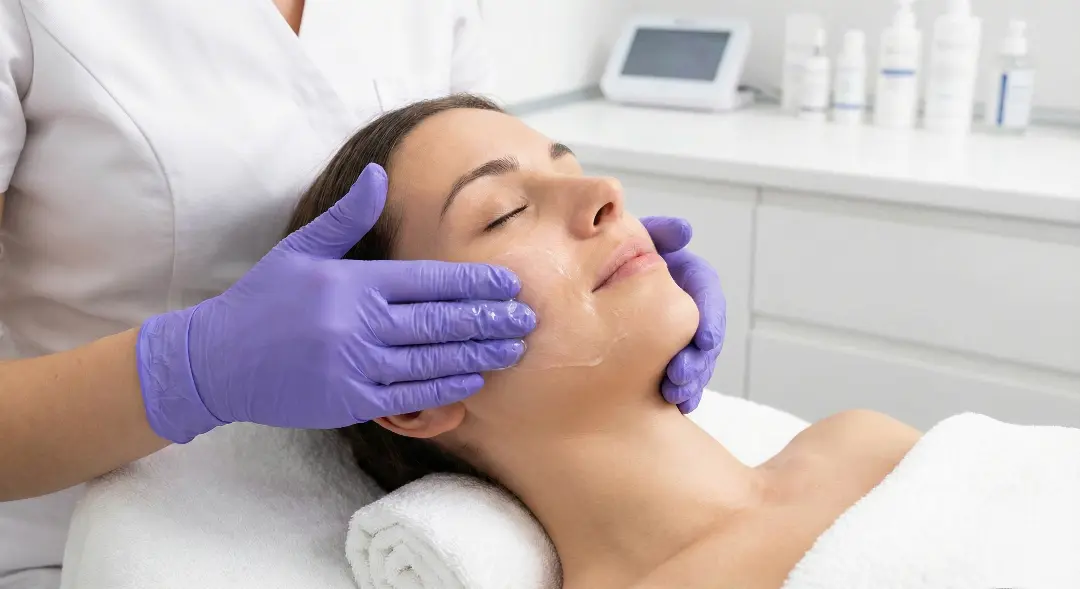
For decades, achieving dramatic improvements in skin texture, firmness, and tone required accepting a trade-off: significant surface peeling and days of recovery. Traditional deep chemical resurfacing works from the outside in, destroying the outer epidermal layer to force new skin growth underneath.
PRX skin resurfacing completely changes this dynamic. Originating in Italy as PRX-T33 needle-free biorevitalization, this medical-grade treatment works from the inside out. Instead of exfoliating the surface, the liquid formula is applied using a specialized massage technique that drives active ingredients directly into the deeper dermal layers. Once absorbed, it triggers a natural cellular repair cascade that stimulates fibroblasts to build new collagen and elastin fibers while leaving the protective surface barrier intact.
To learn more about advanced biorevitalization protocols, explore our specialized treatment options on the officialArizona Medical Laser website.
The secret behind PRX skin resurfacing lies in its precise, patented synergy of three primary active ingredients. Each component plays a vital physiological role in renewing the skin without causing surface damage:
TCA is a powerful chemical agent traditionally used in medium-to-deep peels to induce exfoliation. In the PRX formula, 33% TCA acts as a biostimulant, signaling dermal fibroblasts to synthesize fresh collagen and elastin.
In low concentrations, hydrogen peroxide acts as a buffering agent and cellular messenger. It neutralizes the harsh surface-exfoliating action of TCA on the epidermis while accelerating its penetration into the deep dermis. This prevents epidermal frosting and shedding while boosting the tissue’s natural healing response.
Kojic acid is a well-known brightening agent that inhibits tyrosinase, the key enzyme responsible for melanin production. It actively targets hyperpigmentation, dark spots, and melasma, promoting a bright and even complexional tone.
According to clinical research published by theNational Institutes of Health, combining hydrogen peroxide with TCA allows deep dermal tissue remodeling without compromising epidermal integrity.
Patients and aesthetic medical professionals favor PRX because it bridge the gap between simple facial treatments and aggressive resurfacing procedures.
Immediately following a session, the skin appears noticeably plumper, tighter, and more luminous. This makes PRX an excellent option both as a standalone “event-ready” treatment and as a structured series for long-term correction.
Traditional peels and resurfacing lasers remove the skin’s protective top layer, making treated areas extremely vulnerable to sun damage and post-inflammatory hyperpigmentation. Because PRX leaves the outer epidermal barrier intact, it is non-photosensitizing and safe for all skin types (Fitzpatrick I–VI) year-round.
Unlike microneedling, dermal fillers, or surgical options, PRX delivers dermal restoration without needles, incisions, or topical numbing agents.
Choosing the right aesthetic procedure depends on your primary skin goals, tolerance for downtime, and lifestyle commitments.
| Feature | PRX Skin Resurfacing | Traditional Chemical Peels | Fractional Laser Resurfacing |
| Primary Target Layer | Deep Dermis | Surface Epidermis | Epidermis & Dermis |
| Visible Peeling/Shedding | None to Minimal Flaking | Heavy (3 to 7 days) | Moderate to High (5 to 10 days) |
| Downtime Required | Zero | Several Days | Up to 1 Week |
| Seasonal Restrictions | None (Safe Year-Round) | Avoid Direct Sun Exposure | Strict Sun Avoidance |
| Pain Level | Mild Tingling | Moderate Stinging/Burning | Numbing Required |
For general dermatological standards regarding chemical agents and skin safety, consult guidelines provided by theAmerican Academy of Dermatology.
While there is no true downtime, maintaining simple post-treatment care maximizes your results:
Regulatory standards for topical cosmetic ingredients can be reviewed at theU.S. Food and Drug Administration.
We’re here to help. Schedule a consultation today to discuss treatment options.
You will see a brighter complexion after your very first visit, but a series of 3 to 5 sessions spaced 7 to 10 days apart is recommended for the most lasting collagen renewal.
Most patients feel only mild warming or tingling while the formula is applied. It does not require needles or topical numbing, which is part of why many people choose it over more aggressive resurfacing.
The face, neck and décolleté are the most common. PRX can also be used on the body for stretch marks, loose skin or scarring on areas such as the abdomen, arms and hands.
Not the way it does after a conventional peel. Major peeling or flaking doesn't happen, although people with delicate skin may notice light micro-flaking or dryness for a day or two, which moisturiser easily manages.
Yes. PRX leaves the skin's outer barrier intact and doesn't make skin more sensitive to sun, so it can be done at any time of year, including the bright Arizona summer. Daily broad-spectrum SPF is still recommended.
Skip harsh active ingredients such as retinoids, AHAs, BHAs and vitamin C for 48 hours, keep the skin hydrated with a rich, non-comedogenic cream, and wear broad-spectrum sunscreen every day.
We're here to help. Schedule a consultation today to discuss treatment options and look your very best.
Book Now
Copyright © 2026 All Rights Reserved Financing | Privacy Policy | HIPAA | Terms of Service