Quick Answer
How is rosacea managed with professional treatment?
Rosacea is a chronic skin condition with no cure, but professional care can reduce flare-ups and visible redness. A dermatologist confirms the diagnosis and may prescribe topical or oral medication, while gentle in-clinic options such as red LED light therapy may help calm redness and support comfort. Avoiding triggers, skipping harsh exfoliation and wearing daily sunscreen remain essential.
If your cheeks flush at the slightest provocation, a glass of wine, a hot shower or a walk to the car in July, you already know that rosacea is more than a skin-tone issue. It is a chronic condition that comes and goes, and it responds best to a plan that combines medical care, a gentle routine and the right supportive treatments.
This guide explains what rosacea is, why Arizona’s climate can make it harder, and which in-clinic options may help once your condition is diagnosed and under control.
What Rosacea Is, and What It Is Not
Rosacea typically causes persistent redness in the center of the face, flushing, visible small blood vessels and sometimes bumps that resemble acne. It can come and go in cycles, and common triggers include sunlight, heat, stress, alcohol and spicy foods. The American Academy of Dermatology lists these among the skin care tips for rosacea and also recommends choosing products labeled for sensitive skin and avoiding rubbing, scrubbing and exfoliating.
Rosacea can be hard to recognize in deeper skin tones, where it can look like acne, an allergic reaction or another condition. Because there is no specific test, diagnosis rests on a dermatologist’s examination and your history, as the National Institute of Arthritis and Musculoskeletal and Skin Diseases explains in its overview of rosacea diagnosis and treatment. If you suspect rosacea, start there.
Medical Care Comes First
There is no cure for rosacea, but it can be controlled. Dermatologists commonly begin with topical medication for mild cases and add oral medication when symptoms are moderate or severe, and some in-office procedures target visible blood vessels and flushing. Those are medical decisions that belong with a physician.
Our services are supportive. They are designed to calm and care for sensitive skin alongside your medical plan, not to replace diagnosis or prescription treatment. If you are not yet diagnosed, ask a dermatologist before starting anything new.
Supportive In-Clinic Options at Arizona MedLaser
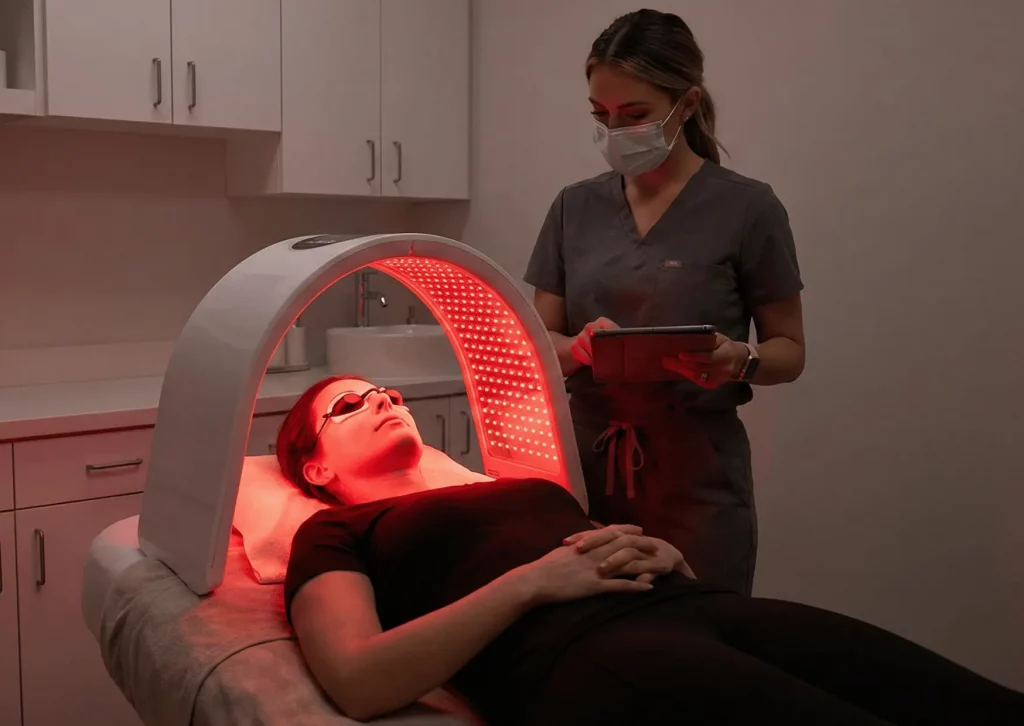
LED red light therapy
LED light therapy uses specific wavelengths of light to influence skin cells. Our team uses red light to calm inflammation and chronic redness, and it is also used to support healing after other procedures. It is non-invasive, involves no downtime and is built up across a course of sessions. The evidence for light therapy varies by condition, so we frame it as a comfort-focused, supportive option.
Peptide and exosome treatments
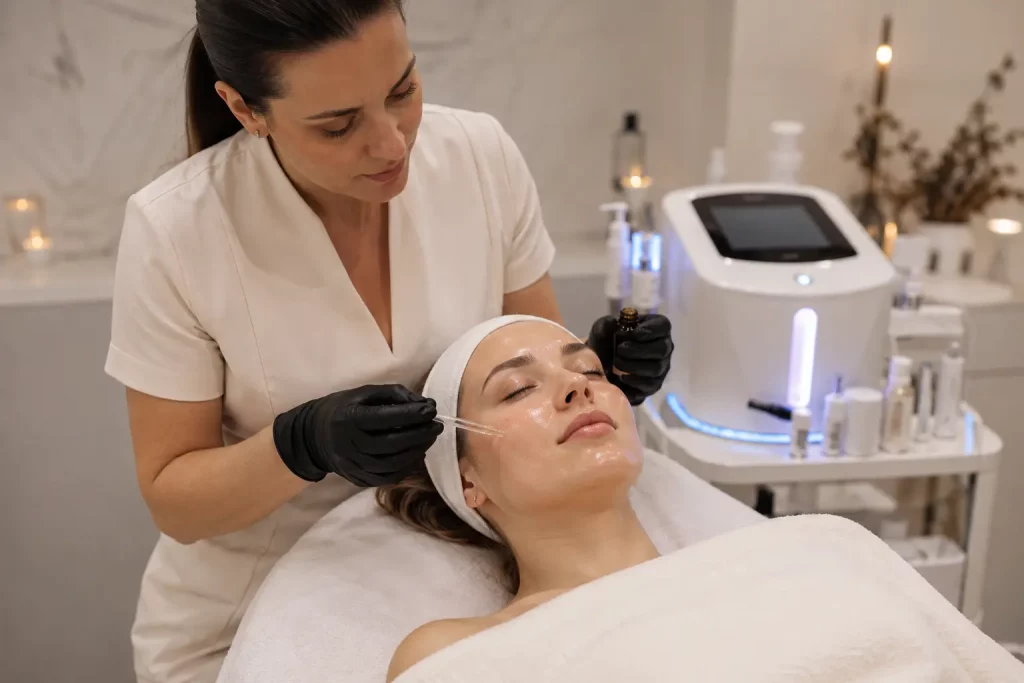
Peptides and exosomes are used in some of our regenerative treatments, and our team describes them as well tolerated by sensitive and rosacea-prone skin because they are gentle and work with the skin’s own repair processes. They are not a stand-alone rosacea therapy, and suitability is decided case by case during a consultation under careful medical supervision.
Hydrating, barrier-supporting facials
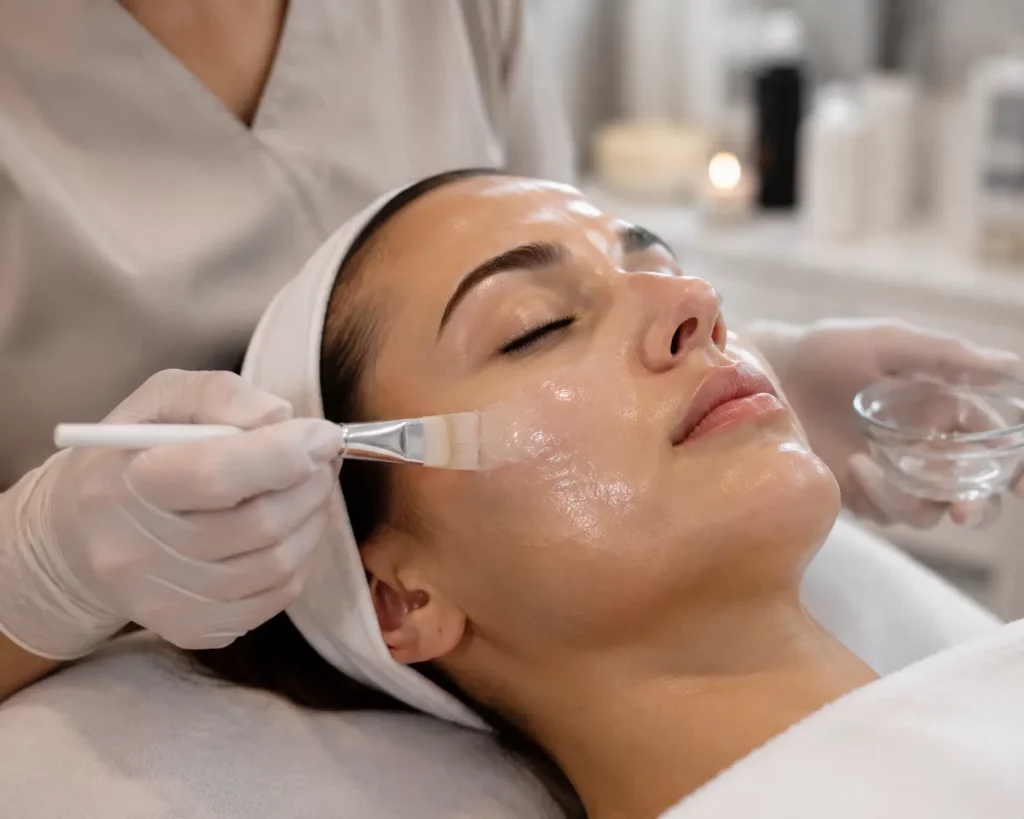
A calm, hydration-focused facial with gentle products can support a stressed skin barrier. We tailor serums and intensity to the individual, avoid aggressive steps and adjust anything that triggers flushing. Tell your esthetician about your rosacea before every visit.
What to Use Caution With
Rosacea-prone skin does not always tolerate treatments that exfoliate or heat the skin. Our own guidance notes that microdermabrasion is generally not suitable for severe rosacea, and the AAD advises stopping exfoliation if you have rosacea.
| Option | Typical approach with rosacea |
|---|---|
| LED red light | Often considered gentle; ask your provider about suitability |
| Hydrating, fragrance-free skincare | Usually well tolerated; patch test first |
| Mineral sunscreen, SPF 30 or higher | Recommended every day |
| Scrubs and microdermabrasion | Usually avoided, especially for severe rosacea |
| Strong chemical peels | Use caution and ask a dermatologist first |
| Steam and heat-based treatments | May trigger flushing; discuss before booking |
Managing Rosacea in the Arizona Climate
Sun and heat are two of the most common triggers, and the desert delivers both for most of the year. Practical habits make a bigger difference than most products:
- Wear a broad-spectrum sunscreen of SPF 30 or higher every day, even in winter. Mineral formulas are often better tolerated.
- Choose shade, a wide-brimmed hat and cooler hours for outdoor time.
- Cool the car before you get in, and keep a cold drink and a mist or cooling towel handy.
- Keep a short journal of flare-ups so you can spot your personal triggers.
- Moisturize with a fragrance-free product, since dry air can worsen irritation.
Building a Plan That Works
The most effective approach is usually a team approach. A dermatologist manages the diagnosis and any prescriptions, you keep a gentle daily routine, and a trusted clinic provides supportive treatments timed around your flare cycle. We start with a consultation, review your history and current medications, and adjust the plan if your skin reacts. Our Rosacea and Redness page outlines how we approach redness and sensitivity, and we are always open to coordinating with your physician.
Setting Up a Gentle Home Routine
Professional care works best on top of a calm baseline. The AAD advises choosing products labeled for sensitive skin and non-comedogenic, patch testing new ones, and avoiding ingredients such as menthol, camphor and sodium lauryl sulfate. A simple routine usually works best: a mild, fragrance-free cleanser, a gentle moisturizer and a mineral sunscreen of SPF 30 or higher. Wash with lukewarm water, pat dry rather than rubbing, and introduce only one new product at a time so you can identify what causes a flare.
How Rosacea Differs From Acne and Sensitive Skin
Because rosacea can include bumps, it is often mistaken for acne, and because it flushes easily, it can look like simple sensitivity. The difference matters, since acne treatments such as strong exfoliating acids or drying products can aggravate rosacea. Rosacea also tends to cluster in the center of the face, comes in cycles and responds to triggers such as heat and alcohol. If you have been treating redness as acne without improvement, that is a good reason to ask a dermatologist for a diagnosis.
Rosacea Questions, Answered
Can rosacea be cured?
No. It is a chronic condition, but treatment and trigger management can reduce flare-ups and improve comfort and appearance.
Is LED therapy safe for rosacea?
LED light therapy is generally considered gentle and does not involve heat or abrasion, but individual responses vary. Ask your provider whether it is appropriate for you.
Can I still get facials if I have rosacea?
Often, yes, with changes. Choose a hydrating, low-stimulation facial, avoid scrubs, steam and aggressive exfoliation, and let your esthetician know about your condition.
What triggers rosacea in Arizona?
Sun and heat are the big ones, along with stress, alcohol, spicy foods and hot showers. Triggers differ between people, so tracking yours helps.
When should I see a dermatologist?
See one if redness is persistent, if you have bumps or flushing that do not improve, if your eyes feel irritated, or if you have never had a diagnosis. Rosacea can be mistaken for other conditions.
Ready to Calm Your Skin?
If redness is affecting your comfort or confidence, a consultation is a good next step. Our team will listen to your history, explain which supportive options make sense and tell you plainly what they can and cannot do. You can book a consultation at our Scottsdale, Glendale or Chandler location.
Ready to Get Started?
We’re here to help. Schedule a consultation today to discuss treatment options.